Croatia in 7 Days
The Ultimate Travel Guide to the Adriatic Pearl
Day 1: Zagreb – The Vibrant Capital
Begin your Croatian adventure in Zagreb, the country’s dynamic capital city that beautifully marries Austro-Hungarian elegance with contemporary urban energy. Zagreb is divided into two distinct parts: the medieval Upper Town (Gornji Grad) and the 19th-century Lower Town (Donji Grad), each offering unique attractions and atmospheres.
Morning: Upper Town Exploration
Start your day in the enchanting Upper Town, the historical heart of Zagreb. Take the funicular railway, one of the shortest in the world, up to this medieval quarter. Visit the iconic St. Mark’s Church with its colorful tiled roof depicting the coats of arms of Croatia, Dalmatia, and Slavonia. The church’s distinctive appearance makes it one of Zagreb’s most photographed landmarks. Nearby, explore the Stone Gate (Kamenita Vrata), the last remaining gate from the medieval city walls, which houses a chapel with a painting of the Virgin Mary that miraculously survived a fire in 1731.
Afternoon: Museums and Dolac Market
Descend to the vibrant Dolac Market, Zagreb’s main farmers market, where locals have been buying fresh produce, flowers, and artisanal products since 1930. The market bursts with colors and aromas, offering an authentic glimpse into daily Croatian life. Afterward, visit the Museum of Broken Relationships, a unique and emotionally powerful museum displaying donated items from failed relationships worldwide, or explore the Croatian Museum of Naïve Art.
Evening: Lower Town and Tkalčićeva Street
Spend your evening strolling through the Lower Town’s elegant squares, including Ban Jelačić 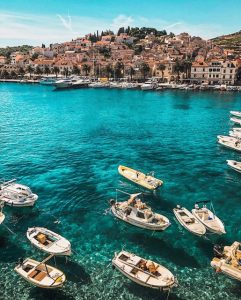 Square, the city’s main plaza. Walk along the “Green Horseshoe,” a series of beautiful parks and squares designed in the 19th century. End your day on Tkalčićeva Street, a pedestrian-only thoroughfare lined with colorful buildings housing trendy cafes, restaurants, and bars where you can enjoy traditional Croatian cuisine and local wines.
Day 2: Plitvice Lakes National Park
Leave Zagreb early for a day trip to Plitvice Lakes National Park, one of Croatia’s most spectacular natural wonders and a UNESCO World Heritage Site. Located about two hours from Zagreb, this park is renowned for its cascade of sixteen terraced lakes connected by waterfalls, surrounded by lush forests teeming with wildlife.
The Lakes and Trails
Plitvice Lakes stretches across nearly 300 square kilometers of pristine wilderness. The park’s lakes are divided into the Upper Lakes and Lower Lakes, each offering distinct landscapes and experiences. The water displays an incredible range of colors, from azure to green, grey, and blue, depending on the mineral content and angle of sunlight. The colors change throughout the day and seasons, creating a constantly evolving natural masterpiece.
Wooden walkways and paths wind through the park, allowing visitors to walk directly over the crystal-clear waters and beside thundering waterfalls. The most impressive waterfall, Veliki Slap (Big Waterfall), plunges 78 meters into a gorge below. The park offers several hiking routes ranging from 2 to 8 hours, plus electric boats and panoramic trains to help navigate the extensive terrain.
Flora and Fauna
The park is home to an impressive array of wildlife including brown bears, wolves, wildcats, lynx, and over 120 bird species. The forests contain beech, fir, and spruce trees, while the travertine barriers that create the lakes continue to grow, adding about one centimeter of height each year. This unique geological process makes Plitvice a living, constantly evolving landscape.
Day 3: Zadar – Where History Meets Innovation
Travel to Zadar, a three-thousand-year-old city on the Dalmatian coast that seamlessly blends ancient Roman ruins with cutting-edge modern installations. This coastal gem offers a perfect combination of historical significance, cultural richness, and natural beauty, making it one of Croatia’s most underrated destinations.
The Old Town
Zadar’s Old Town occupies a narrow peninsula jutting into the Adriatic Sea. The Roman Forum, dating back to the 1st century BC, remains the largest forum on the eastern side of the Adriatic. Here you’ll find the Church of St. Donatus, a pre-Romanesque structure built in the 9th century that has become the symbol of Zadar. The church’s unusual circular design and excellent acoustics make it a popular venue for medieval music concerts during summer months.
Visit the Cathedral of St. Anastasia, the largest cathedral in Dalmatia, featuring a beautiful Romanesque facade and a bell tower offering panoramic views of the city and surrounding islands. Walk through the narrow marble streets lined with Venetian-era buildings, discovering hidden churches, charming squares, and local craft shops.
Modern Marvels: Sea Organ and Sun Salutation
Zadar is famous for two remarkable contemporary installations along its waterfront. The Sea Organ (Morske Orgulje), designed by architect Nikola Bašić, is a series of underwater tubes that create haunting musical sounds using the motion of waves. Sit on the marble steps and listen to the sea’s natural symphony – each melody is unique and unrepeatable.
Adjacent to the Sea Organ, the Greeting to the Sun (Pozdrav Suncu) is a 22-meter wide circle of solar panels set into the pavement. As sunset approaches, the panels collect solar energy throughout the day and create a spectacular light show synchronized with the Sea Organ’s sounds. This waterfront promenade has become a particularly popular spots to watch the sunset, which Alfred Hitchcock famously declared “the most beautiful in the world.”
Culinary Experiences
Zadar is renowned for its maraschino cherry liqueur, produced here for over 300 years. Visit a distillery or simply sample this sweet liqueur at local bars. The city also offers excellent seafood restaurants, konoba (traditional taverns), and gelaterias. Make sure to see trying pašticada, a traditional Dalmatian beef dish slow-cooked in wine sauce with prunes and spices.
Day 4: Split – The Diocletian’s Legacy
Journey south to Split, Croatia’s second-largest city and the largest on the Dalmatian coast. Split is unique among European cities as its historic core is built within the walls of Diocletian’s Palace, a 1,700-year-old Roman structure that has been continuously inhabited and now forms the beating heart of the modern city.
Diocletian’s Palace and the Old Town
The palace complex, a UNESCO World Heritage Site, covers about half of Split’s Old Town. Built between 298 and 305 AD as a retirement residence for the Roman Emperor Diocletian, this massive structure blends luxury villa and military camp architecture. The palace walls encompass an area of nearly 40,000 square meters, with each side stretching 150-200 meters in length.
Enter through the Bronze Gate facing the waterfront and emerge into the Peristyle, the palace’s central square, where you can still see the original Egyptian sphinx brought by Diocletian. The Cathedral of St. Domnius, originally built as Diocletian’s mausoleum, is remarkably well-preserved and offers stunning views from its bell tower. The subterranean cellars beneath the palace provide insight into the original layout and serve as an evocative venue for concerts and exhibitions.
Modern Split
Beyond the palace walls, Split pulses with Mediterranean vitality. The Riva, Split’s palm-lined waterfront promenade, is the social center of the city where locals gather for coffee, evening strolls, and people-watching. The lively outdoor cafes offer perfect vantage points to observe Split’s daily rhythms while enjoying views of the harbor and distant islands.
Explore Marjan Hill, Split’s green lung, a pine-covered peninsula offering hiking trails, beaches, and breathtaking panoramic views of the city, sea, and surrounding mountains. The summit provides the perfect spot for sunset photography.
Split’s Culinary Scene
Split boasts an excellent culinary scene blending traditional Dalmatian recipes with modern gastronomy. Visit the Green Market (Pazar) near the palace for fresh produce, local cheeses, dried figs, and prosciutto. Try peka, a traditional Croatian dish where meat and vegetables are slow-cooked under a bell-shaped dome covered with hot coals. Sample soparnik, a savory pie from the nearby region filled with Swiss chard, garlic, and parsley.
Day 5: Hvar – The Glamorous Island
Take a ferry or catamaran from Split to Hvar, often called the “Queen of the Croatian Islands.” This sun-drenched island boasts the highest number of sunny days in Croatia, fragrant lavender fields, vineyards producing excellent wines, secluded coves with crystal-clear waters, and a vibrant nightlife scene that attracts celebrities and jet-setters from around the world.
Hvar Town
Hvar Town, the island’s main settlement, wraps around a picturesque harbor backed by a hilltop fortress. The town’s car-free center features elegant Renaissance architecture, including St. Stephen’s Square, one of the largest and most beautiful piazzas in Dalmatia. The square is dominated by the Cathedral of St. Stephen with its distinctive bell tower that has become Hvar’s symbol.
Climb to the Spanish Fortress (Fortica) perched above the town for arguably the best views in all of Croatia. The panorama encompasses the town’s terracotta rooftops, the harbor dotted with luxury yachts, the nearby Pakleni Islands, and the azure Adriatic stretching to the horizon. The fortress also houses a small collection of ancient amphorae recovered from the surrounding sea.
Beaches and Nature
Hvar offers numerous beaches and swimming spots. Take a taxi boat to the Pakleni Islands, a chain of small islands just offshore featuring hidden coves, naturist beaches, and beach clubs. The islands’ turquoise waters are perfect for swimming, snorkeling, and diving. On the main island, explore lavender fields that bloom in late June and early July, filling the air with their intoxicating fragrance. Visit local cooperatives to purchase lavender products, including essential oils, soaps, and sachets.
Wine and Gastronomy
Hvar has a winemaking tradition spanning over 2,400 years. The island is particularly famous for its red wines made from the indigenous Plavac Mali grape variety. Visit family-run wineries in villages like Jelsa and Vrboska to taste these full-bodied wines paired with local cheeses, prosciutto, and olive oil. The island also produces excellent honey, particularly from rosemary and lavender blossoms.
Day 6: Korčula – The Medieval Jewel
Travel to Korčula, a fortified medieval town on the island of the same name, allegedly the birthplace of the famous explorer Marco Polo. Korčula Town is one of the best-preserved medieval settlements in the Mediterranean, with its defensive walls, towers, and distinctive herringbone street pattern designed to protect residents from wind while providing natural ventilation.
Exploring Korčula Town
Enter the Old Town through the Land Gate, admiring the imposing Revelin Tower that once guarded the entrance. The town’s layout resembles a fishbone, with a main street running down the center and narrow side streets branching off at angles. This clever urban design was created to reduce wind while promoting air circulation during hot summer months.
Visit the Cathedral of St. Mark, a stunning example of Gothic-Renaissance architecture featuring intricate stone carvings created by Italian and local masters. The cathedral’s facade showcases a beautiful rose window and sculptures of Adam and Eve, while the interior houses important paintings by Tintoretto and other Italian masters. Climb the bell tower for sweeping views of the surrounding islands and mainland mountains.
Marco Polo Connection
Visit the alleged Marco Polo House, now a small museum dedicated to the famous traveler. While  historians debate whether Polo was actually born here, the museum offers interesting exhibits about medieval Korčula and 13th-century exploration. The tower provides excellent photo opportunities of the town’s rooftops and harbor.
Moreška Sword Dance
Korčula is famous for the Moreška, a traditional sword dance performed since the 15th century. This dramatic performance depicts a battle between two kings fighting for a maiden, accompanied by traditional music. During summer, performances take place regularly in front of the town walls, offering a unique cultural experience that has been passed down through generations of Korčula families.
Vineyards and Olive Groves
Korčula’s countryside is carpeted with vineyards producing excellent white wines, particularly Grk and Pošip varieties, which thrive in the island’s limestone soil and Mediterranean climate. Take a wine tour through picturesque villages like Lumbarda and Čara, where family-run wineries welcome visitors for tastings. The island also produces high-quality olive oil from centuries-old groves.
Day 7: Dubrovnik – The Pearl of the Adriatic
Conclude your Croatian journey in Dubrovnik, the country’s most famous and photogenic city. Known as the “Pearl of the Adriatic,” Dubrovnik’s magnificent Old Town is a UNESCO World Heritage Site and one of the world’s finest examples of a preserved medieval city. The city’s gleaming marble streets, imposing defensive walls, and stunning terracotta rooftops set against the deep blue Adriatic have made it a really photographed cities in Europe.
The City Walls
Begin your Dubrovnik experience by walking the complete circuit of the city walls, which stretch for nearly 2 kilometers and reach up to 25 meters in height in places. Built between the 12th and 17th centuries, these formidable fortifications feature towers, bastions, and forts, including the iconic Minceta Tower and Lovrijenac Fortress. The wall walk takes 1-2 hours and provides constantly changing perspectives of the Old Town’s layout, the shimmering Adriatic, and nearby Lokrum Island. Start early morning or late afternoon to avoid crowds and harsh midday sun.
Stradun and Old Town Treasures
Enter through the Pile Gate and step onto Stradun (Placa), the city’s gleaming limestone main street that runs through the heart of the Old Town. This wide, polished thoroughfare connects the city’s two main squares and is lined with baroque buildings reconstructed after a devastating earthquake in 1667. Visit the Rector’s Palace, a masterpiece of Gothic-Renaissance architecture that now houses the Cultural History Museum. Explore the Franciscan Monastery with its beautiful cloister and Europe’s third-oldest functioning pharmacy, operating since 1317.
The Cathedral of the Assumption houses an impressive treasury including relics of St. Blaise, Dubrovnik’s patron saint, and paintings by Titian and other masters. Visit Sponza Palace, one of the few buildings to survive the 1667 earthquake, which now houses the city archives and memorials to the Homeland War.
Game of Thrones Fame
Dubrovnik gained renewed international fame as the primary filming location for King’s Landing in the HBO series Game of Thrones. Fans can recognize numerous locations, including the Jesuit Staircase (where Cersei’s walk of shame was filmed), Lovrijenac Fortress (the Red Keep), and the city walls. Several companies offer themed walking tours pointing out filming locations and sharing behind-the-scenes stories.
Cable Car and Mount Srđ
Take the cable car (or hike if you’re energetic) to the top of Mount Srđ, which towers 412 meters above the city. The summit offers jaw-dropping 360-degree views of Dubrovnik’s Old Town, the Elaphiti Islands, and the Croatian coastline stretching toward Montenegro. Visit the Museum of the Homeland War located in Fort Imperial, which documents Dubrovnik’s siege during the 1990s conflict. Time your visit for sunset when the Old Town’s rooftops glow golden against the darkening sea.
Island Escape to Lokrum
If time permits, take a 10-minute boat ride to Lokrum Island, a nature reserve just offshore from the Old Town. This lush island features botanical gardens, peacocks roaming freely, the ruins of a Benedictine monastery, and the Dead Sea, a small saltwater lake perfect for swimming. According to legend, Richard the Lionheart was shipwrecked here in 1192 while returning from the Crusades and built a church in gratitude for his survival.
Sunset at Buža Bar
End your Croatian adventure at Buža Bar, a unique cliff-side bar literally carved into the rocks outside the city walls. Access is through a small hole in the wall, and inside you’ll find simple concrete platforms overlooking the sea where you can sip drinks while watching waves crash against the rocks below and the sun set over the Adriatic – a perfect conclusion to your week in Croatia.
Practical Information
Best Time to Visit
The ideal time to visit Croatia is during the shoulder seasons of May-June or September-October when the weather is pleasant, crowds are smaller, and prices are lower than peak summer. July and August bring hot weather, crowded attractions, and high prices, though this is also when the Adriatic reaches its warmest temperatures for swimming.
Transportation
Croatia is well-connected by domestic flights, buses, ferries — and an improving highway system. Renting a car provides maximum flexibility for exploring at your own pace, though parking can be challenging in historic city centers. Catamaran and ferry services connect coastal cities and islands efficiently. Buses are comfortable and affordable for intercity travel.
Currency and Costs
Croatia adopted the Euro (€) as its official currency in 2023. While more expensive than some Eastern European destinations, Croatia offers better value than Western Europe. Budget €50-70 per day for accommodation, €20-30 for meals, plus entry fees and transportation. Credit cards are widely accepted, though some smaller establishments prefer cash.
Food and Drink
Croatian cuisine varies by region but generally features fresh seafood along the coast, grilled meats inland, Italian influences in Istria, and excellent local wines throughout. Try to visit trying ćevapi (grilled meat sausages), peka (slow-cooked meat and vegetables), fresh Adriatic fish, pršut (prosciutto), and pag cheese. Croatian wines, particularly Plavac Mali and Pošip, have gained international recognition.
Language
The official language is Croatian, though English is widely spoken in tourist areas, especially among younger generations. Learning a few basic Croatian phrases like “hvala” (thank you) and “molim” (please) will be appreciated by locals.
Conclusion
Croatia packs an extraordinary diversity of experiences into a relatively compact country. From Zagreb’s Habsburg elegance to Dubrovnik’s medieval splendor, from Plitvice’s cascading lakes to Hvar’s sun-soaked shores, this seven-day itinerary showcases the highlights of one of Europe’s most captivating destinations. Whether you’re drawn by history, natural beauty, Mediterranean culture, or simply the allure of the azure Adriatic, Croatia delivers an unforgettable journey that will leave you planning your return visit before you’ve even departed.
The warmth of Croatian hospitality, the richness of its cultural heritage, the excellence of its cuisine and wines, and above all, the breathtaking beauty of its landscapes and seascapes combine to create a travel experience that resonates long after you’ve returned home. Croatia isn’t just a destination to visit – it’s a place that captures your heart and calls you back again and again.