Discovering the Dolomites
A 7-Day Exploration of Italy’s Mountain Paradise
The Dolomites, a UNESCO World Heritage Site since 2009, stand as one of the most spectacular mountain ranges in the world. Stretching across the northeastern Italian regions of Trentino-Alto Adige and Veneto, these pale limestone peaks offer a unique blend of Italian charm, Austrian influences, and breathtaking natural beauty. Over the course of seven unforgettable days, you’ll discover why these mountains, known locally as the “Pale Mountains” due to their distinctive color at sunrise and sunset, have captivated travelers, artists, and mountaineers for centuries.
Day 1: Bolzano – Gateway to the Dolomites
Begin your Dolomites adventure in Bolzano (Bozen in German), the vibrant capital of South Tyrol. This bilingual city of approximately 107,000 inhabitants perfectly captures the region’s unique cultural fusion, where Italian dolce vita meets Alpine efficiency and Austrian tradition.
City Characteristics
Bolzano sits at the convergence of three valleys at an elevation of 262 meters, creating a 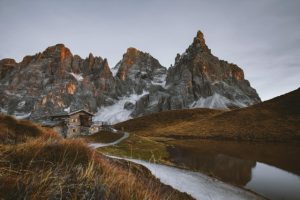 microclimate that allows palm trees and vineyards to flourish alongside mountain peaks. The city’s architecture reflects its complex history, with Gothic churches standing alongside Art Nouveau buildings and modern structures. The old town features elegant arcaded streets dating back to the 12th century, while the surrounding hillsides are dotted with vineyards producing excellent wines.
Must-See Attractions
Start at the South Tyrol Museum of Archaeology, home to Ötzi the Iceman, the 5,300-year-old mummy discovered in the nearby mountains in 1991. This remarkable museum provides fascinating insights into Copper Age life in the Alps through cutting-edge research and exhibition techniques.
Walk through the medieval center along Via dei Portici (Laubengasse), a picturesque street lined with historic arcades housing boutiques, cafes, and traditional shops. Visit the Gothic Cathedral with its distinctive green and yellow tiled roof, and climb its bell tower for panoramic city views.
Try to visit Piazza Walther, the city’s main square named after medieval poet Walther von der Vogelweide, perfect for people-watching while enjoying an aperitivo. In the late afternoon, take the cable car to Renon (Ritten) plateau for spectacular sunset views over the Dolomites while the peaks turn pink and gold in the famous “enrosadira” phenomenon.
Day 2: Val Gardena and Ortisei
Journey into Val Gardena (Gröden), a really beautiful valleys in the Dolomites, where the ancient Ladin language and culture have been preserved for centuries. This valley, comprising the towns of Ortisei, Santa Cristina, and Selva, is renowned for its woodcarving tradition and spectacular mountain scenery.
Ortisei – Heart of Val Gardena
Ortisei (St. Ulrich in German, Urtijëi in Ladin) is a charming town of about 4,700 inhabitants nestled at 1,236 meters altitude. The town’s character is defined by its unique trilingual heritage, ornate church spires, traditional wooden chalets with flower-filled balconies, and the towering presence of the Sassolungo and Alpe di Siusi massifs.
The town center features elegant pedestrian streets lined with shops showcasing the valley’s famous woodcarving tradition. For over 300 years, local artisans have been creating intricate wooden sculptures, from religious figures to whimsical characters. Visit the Museum de Gherdëina to understand this rich artistic heritage and see works spanning several centuries.
Alpe di Siusi
Take the cable car from Ortisei to Alpe di Siusi (Seiser Alm), Europe’s largest high-altitude Alpine meadow spanning 56 square kilometers. This stunning plateau sits at about 1,800-2,000 meters and offers some of the most iconic Dolomite views, with the jagged Sassolungo and Sciliar massifs dominating the horizon.
Spend the day hiking gentle trails through flower-filled meadows dotted with traditional mountain huts serving local specialties. The landscape here is pastoral paradise meets dramatic geology, where you can walk for hours across rolling grasslands while surrounded by vertical rock walls rising thousands of meters. Popular easy hikes include the circuit around the Bullaccia pond or the trail toward the Sasso Piatto, both offering countless photo opportunities.
Day 3: Cortina d’Ampezzo – Queen of the Dolomites
Cortina d’Ampezzo has been synonymous with mountain glamour since hosting the 1956 Winter Olympics. This sophisticated resort town of about 6,000 permanent residents sits in a magnificent basin at 1,224 meters, surrounded by some of the most dramatic peaks in the entire Dolomite range.
Town Character
Cortina exudes an elegant atmosphere unlike anywhere else in the Alps. The pedestrianized Corso Italia features high-end boutiques, designer stores, historic cafes, and gourmet restaurants. The town maintains its traditional Tyrolean architecture with wooden balconies and painted facades, yet possesses an undeniable cosmopolitan flair. In summer, the town transforms from winter ski resort to hiking paradise, with locals and visitors alike embracing the mountain lifestyle with style and sophistication.
Surrounding Peaks and Activities
The Ampezzo valley is ringed by iconic mountains. To the north rise the three distinctive towers of Tre Cime di Lavaredo, perhaps the most photographed peaks in the Alps. To the east stands the imposing Cristallo group, while the west features Tofana di Mezzo reaching 3,244 meters. The 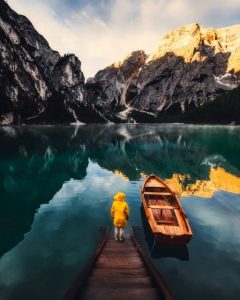 south is bounded by the Croda da Lago and Cinque Torri formations.
Take the cable car to Rifugio Faloria for breathtaking 360-degree views. From here, experienced hikers can tackle via ferratas or continue to higher refugios. Alternatively, visit the Olympic Ice Stadium and explore the Olympic bobsled track museum.
For an unforgettable experience, drive or take a shuttle to Cinque Torri (Five Towers), a distinctive rock formation where you can walk among World War I trenches and fortifications while enjoying spectacular views. The short hike around these towers is accessible to all fitness levels and provides fascinating historical context alongside natural beauty.
Day 4: Tre Cime di Lavaredo – The Iconic Peaks
Dedicate an entire day to Tre Cime di Lavaredo (Drei Zinnen), the three distinctive peaks that have become the symbol of the Dolomites worldwide. These massive towers of rock, rising nearly 1,000 meters from their base, represent the ultimate Dolomite experience.
The Journey
From Cortina, drive through the spectacular Misurina area, stopping at Lake Misurina (1,754 meters), known for its mirror-like reflections of surrounding peaks. Continue along the toll road to Rifugio Auronzo at 2,320 meters, the starting point for the classic Tre Cime circuit.
The Circuit Hike
The approximately 3-hour circular trail around Tre Cime di Lavaredo is moderately easy and offers constantly changing perspectives of these three towers: Cima Piccola (2,857 meters), Cima Grande (2,999 meters), and Cima Ovest (2,973 meters). The path passes several historic rifugios where you can sample traditional mountain cuisine while gazing at the vertical north faces.
The landscape here is stark and powerful. These dolomite towers stand like ancient sentinels, their layered limestone and dolomite rock formations creating horizontal striations visible across their faces. During World War I, this area marked the front line between Italian and Austro-Hungarian forces, and you’ll encounter numerous war remnants, tunnels, and memorials along the trail.
The late afternoon light transforms these peaks into glowing monuments of pink and orange rock, creating one of nature’s most impressive spectacles. Plan to spend at least 4-5 hours in this area, allowing time for the hike, photography, and simply sitting in contemplative silence before these natural giants.
Day 5: Marmolada Glacier and Canazei
Today explores the Marmolada, known as the “Queen of the Dolomites” at 3,343 meters, the highest peak in the entire range. Its glacier, though retreating due to climate change, remains an impressive sight and represents the only substantial glacier in the Dolomites.
Canazei – Alpine Village Atmosphere
Base yourself in Canazei, a charming village of about 1,900 inhabitants sitting at 1,465 meters in the heart of the Fassa Valley. This traditional Ladin-speaking community maintains strong cultural ties while serving as an important gateway to high-mountain adventures. The village features typical Alpine architecture with wood and stone buildings, church spires, and a welcoming pedestrian center with mountain outfitters, restaurants serving local cuisine, and family-run hotels.
Marmolada Cable Car Experience
Take the modern cable car system from Malga Ciapela up to Punta Rocca at 3,265 meters. The journey itself is spectacular, rising through different ecological zones from forest to alpine meadows to bare rock and ice. At the top station, you stand on the edge of the glacier with unparalleled panoramic views extending across the entire Dolomite range on clear days.
The Great War Museum at Punta Rocca provides sobering insight into the mountain warfare conducted here during World War I, when soldiers fought not only each other but also the extreme cold and altitude. The museum occupies tunnels carved into the mountain itself.
In the afternoon, explore the picturesque Pordoi Pass and ride the cable car to Sass Pordoi for yet another spectacular viewpoint. The panoramic terrace here offers views of the entire Sella Group, Marmolada, and countless other peaks. Traditional rifugios serve hearty mountain meals, making this an ideal spot for a late lunch surrounded by alpine grandeur.
Day 6: Lake Braies and Alta Badia
Lake Braies (Pragser Wildsee) has gained international fame as one of the most photogenic locations in the Alps, and deservedly so. This emerald-green lake sits at 1,496 meters in a natural amphitheater of peaks, creating a scene of almost surreal beauty.
Lake Braies Experience
Arrive early to beat crowds and check out the lake at its most serene. The crystal-clear waters reflect the surrounding Croda del Becco and other peaks with mirror-like precision. A gentle 3.5-kilometer circuit trail around the lake takes about 90 minutes and offers constantly changing perspectives. Rent a traditional wooden rowboat to experience the lake from the water, drifting across its surface while surrounded by towering rock walls.
The lake’s formation during the last ice age created its characteristic deep turquoise color, caused by glacial silt particles suspended in the water. The surrounding forest of spruce and larch trees frames the scene perfectly, while several small chapels and boathouses add human elements to the landscape.
Alta Badia Valley
Drive through Alta Badia, another Ladin-speaking valley renowned for combining natural beauty with culinary excellence. The villages of Corvara, La Villa, and San Cassiano maintain strong traditional character while hosting some of the region’s finest restaurants, many with Michelin stars.
Corvara, with about 1,400 inhabitants at 1,568 meters elevation, serves as the valley’s main hub. The town center preserves traditional Ladin architecture while offering modern amenities. The surrounding peaks, including the distinctive Sassongher with its pyramidal shape, create a dramatic backdrop.
Take a cable car to explore the high plateaus, where summer hiking trails cross flower-filled meadows beneath stark limestone walls. The contrast between gentle, pastoral landscapes and vertical rock formations defines the Alta Badia experience. Consider taking a cooking class to learn about traditional Ladin cuisine, which blends Italian, Austrian, and ancient mountain traditions.
Day 7: Seceda and Val di Funes
Conclude your Dolomite journey with two locations that epitomize the region’s dramatic beauty: the surreal ridge of Seceda and the pastoral perfection of Val di Funes.
Seceda – The Dramatic Ridge
Seceda has become one of the Dolomites’ most Instagram-famous locations, and experiencing it firsthand reveals why. Take the cable car from Ortisei to Col Raiser, then continue to Seceda at 2,518 meters. Upon arrival, you’re greeted by one of the most extraordinary viewpoints in the Alps: a narrow ridge with sheer drops on one side and the iconic saw-toothed peaks of the Odle (Geisler) Group rising directly across the valley.
The geological formations here are exceptional. The Odle peaks display the classic Dolomite structure: horizontal layers of sedimentary rock stacked over millions of years, then thrust upward and sculpted by erosion into their current fantastical shapes. The ridge walk offers several viewpoints, each more dramatic than the last, with hikers appearing as tiny figures against the massive scale of the landscape.
Numerous hiking options exist from Seceda, from gentle walks along the ridge to challenging trails descending into valleys or climbing to higher peaks. Even simply sitting at one of the rifugios while absorbing the views provides a perfect Dolomite moment.
Val di Funes – Pastoral Paradise
Descend into Val di Funes (Villnöss) for the afternoon, often called the most beautiful valley in South Tyrol. This peaceful side valley stretches 24 kilometers from Chiusa to the base of the Odle peaks, maintaining a timeless rural character with scattered farms, meadows, and small villages.
The valley’s iconic view from the Santa Maddalena (St. Magdalena) area has graced countless postcards and calendars: a small white church steeple in a green meadow with the dramatic Odle peaks rising behind. This scene, particularly magical in early morning or late afternoon light, represents the quintessential Dolomite landscape where human presence harmonizes with overwhelming natural beauty.
Take time to explore the valley by car or bike, stopping at small churches, traditional mountain huts serving local dairy products, and viewpoints along the way. The valley remains relatively uncrowded compared to more famous destinations, offering a peaceful conclusion to your week in the mountains.
In the village of Santa Maddalena (about 400 inhabitants), you’ll find traditional South Tyrolean hospitality, with guesthouses serving regional specialties like speck (smoked ham), canederli (bread dumplings), and apple strudel. The lifestyle here follows ancient rhythms connected to farming, seasons, and mountains.
Practical Tips for Your Dolomites Adventure
- Best Time to Visit: June to September offers the best weather for hiking. July and August see peak crowds; September offers fewer visitors and spectacular fall colors. Late spring (May-June) features wildflower blooms, while late September brings golden larch forests.
- Transportation: A rental car provides maximum flexibility for accessing mountain areas. However, bus services connect major towns and valleys. Many high-altitude starting points now require reservations or charge access fees during peak season to manage visitor numbers.
- Accommodation: Options range from luxury hotels in Cortina and Bolzano to traditional rifugios (mountain huts) offering authentic experiences. Book well in advance for July and August. Consider staying in different valleys to minimize driving.
- Language: Italian is spoken throughout, but German dominates in South Tyrol (Bolzano, Val Gardena, Val di Funes). English is widely understood in tourist areas. The ancient Ladin language survives in Val Gardena, Val Badia, and Val di Fassa, adding unique cultural flavor.
- Physical Preparation: While this itinerary focuses on accessible locations, some level of fitness helps. Many viewpoints require minimal walking from cable car stations, but the full experience involves 2-4 hour hikes. High altitude can affect some visitors; acclimatize gradually.
- Weather Considerations: Mountain weather changes rapidly. Carry layers, rain protection, and sun protection even on clear mornings. Afternoon thunderstorms are common in summer. Check weather forecasts daily and adjust plans accordingly.
- Cuisine: Don’t miss local specialties blending Italian and Austrian influences. Try speck platter, canederli, schlutzkrapfen (filled pasta), polenta dishes, kaiserschmarrn (shredded pancake), and local wines from Alto Adige. Mountain rifugios serve hearty traditional meals.
- Sustainability: The Dolomites face increasing visitor pressure. Practice responsible tourism by staying on marked trails, carrying out all trash, respecting wildlife, using public transport when possible, and supporting local businesses. Consider visiting shoulder seasons to reduce impact.
Conclusion: The Magic of the Dolomites
Seven days in the Dolomites offers merely a taste of this extraordinary mountain range, yet it’s enough to understand why these peaks inspire such devotion among visitors. The unique combination of dramatic vertical landscapes, pristine nature, rich cultural heritage spanning Italian, Austrian, and Ladin traditions, and exceptional hospitality creates an experience unlike anywhere else in the Alps.
The Dolomites teach us about the power of geology, the resilience of mountain cultures, and the profound impact of natural beauty on the human spirit. Whether standing before the towering Tre Cime di Lavaredo, gliding across Lake Braies in a wooden boat, or watching the peaks glow pink in the alpenglow phenomenon, you’ve witnessed one of Earth’s great natural wonders.
These mountains, formed 250 million years ago as coral reefs in a tropical sea, then thrust upward by tectonic forces and sculpted by ice and water into their current fantastical shapes, remind us of our planet’s incredible history and ongoing transformation. They also demonstrate how human communities can thrive in challenging environments while maintaining cultural identity and respect for nature.
As you depart the Dolomites, you carry not just photographs and memories, but a connection to something timeless and profound. These pale mountains, turning pink and gold in the evening light, will call you back. For once you’ve experienced the magic of the Dolomites, they become part of you, and you’ll find yourself already planning your return to this mountain paradise.